

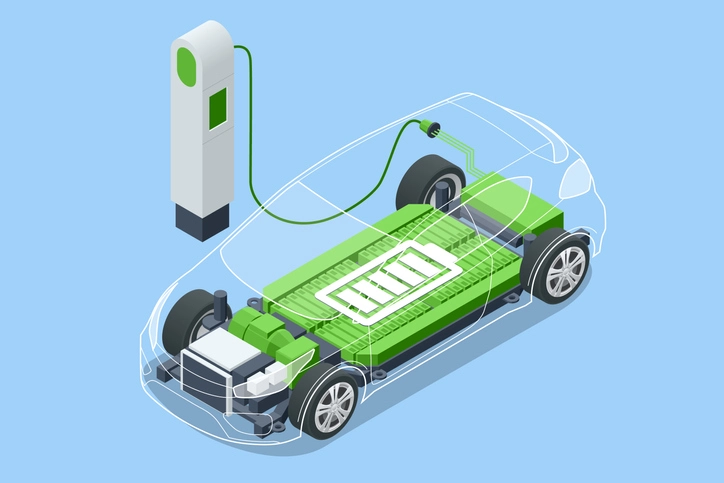
Electric vehicles are becoming increasingly popular as people look for more environmentally friendly modes of transportation. The battery is one of the most important components of an electric vehicle, as it determines the range and performance of the vehicle. In this blog, we will explore the different types of batteries used in electric vehicles in the US and what makes them the best choice for different needs.
Here is a table of contents for the blog article on “Which Battery is Used in Electric Vehicles in the US?”:
Types of Batteries Used in Electric Vehicles:
A. Lithium-Ion Batteries
Lithium-ion batteries are the most commonly used type of battery in electric vehicles in the US. They have a high energy density, which means they can store a lot of energy in a small space. This makes them ideal for use in electric vehicles, as they can be made small enough to fit into a car without taking up too much space. Lithium-ion batteries are also relatively lightweight, making them easy to handle. They are also relatively low maintenance, as they do not need to be recharged as often as other types of batteries.
B. Nickel-Metal Hydride Batteries
Nickel-metal Hydride batteries are another type of battery used in electric vehicles in the US. They are similar to Lithium-Ion batteries in terms of energy density, but they are slightly heavier. This type of battery is often used in hybrid electric vehicles, as it can provide a longer range than a pure electric vehicle. Nickel-Metal Hydride batteries are also relatively low maintenance, but they are not as efficient as Lithium-Ion batteries.
C. Lead-Acid Batteries
Lead-Acid batteries are an older type of battery that have been used in electric vehicles for many years. They are heavy and have a low energy density, making them less ideal for use in electric vehicles. However, they are still used in some cheap electric vehicles, as they are much cheaper than other types of batteries. Lead-Acid batteries are also relatively low maintenance, but they are not as efficient as Lithium-Ion or Nickel-Metal Hydride batteries.
Finding the Perfect Battery for Your Electric Vehicle: Key Factors to Consider
The best type of battery for an electric vehicle will depend on the specific needs of the vehicle and the driver. Some factors that can influence the choice of battery include:
- Range: The range of an electric vehicle is largely determined by the size and type of battery used. If you need a vehicle with a long range, then a Lithium-Ion or Nickel-Metal Hydride battery may be the best choice.
- Cost: The cost of the battery is also an important consideration, as it can greatly affect the overall cost of the electric vehicle. Lead-Acid batteries are much cheaper than Lithium-Ion or Nickel-Metal Hydride batteries, but they are not as efficient.
- Maintenance: The maintenance required for different types of batteries can also affect the choice of battery. Lead-Acid batteries are relatively low maintenance, but they are not as efficient as Lithium-Ion or Nickel-Metal Hydride batteries.
Electric vehicles are becoming an increasingly popular mode of transportation in the US, and the battery is one of the most important components of an electric vehicle. The best type of battery for an electric vehicle will depend on the specific needs of the vehicle and the driver, including range, cost, and maintenance requirements.
FAQs:
What are the different types of batteries used in EVs in the US?
The two most common types of batteries used in EVs in the US are lithium-ion batteries and solid-state batteries. Lithium-ion batteries are widely used due to their high energy density, lightweight, quick recharging times, and long lifespan. On the other hand, solid-state batteries are a newer technology that offer higher energy density, faster charging times, and lower risk of thermal runaway, but are more expensive to produce.
Which type of battery is better for EVs, lithium-ion or solid-state?
Both lithium-ion batteries and solid-state batteries have their own advantages and disadvantages. Lithium-ion batteries are widely used due to their high energy density, quick recharging times, and long lifespan, but are expensive to produce and have a risk of thermal runaway. Solid-state batteries offer higher energy density, faster charging times, and lower risk of thermal runaway, but are still in development and more expensive to produce. The best type of battery for EVs depends on various factors such as cost, performance, and safety.
What is the future of EV batteries?
The future of EV batteries is likely to involve continued development and improvements in both lithium-ion and solid-state battery technology. Lithium-ion batteries are likely to become more affordable and safer, while solid-state batteries will likely become more widely used as the technology matures and the production costs decrease. Additionally, there may be other types of batteries that emerge in the future, offering even more benefits for EVs.
Conclusion
In conclusion, if you’re looking for the best electric vehicles, it is important to consider the type of battery used, as well as the other features and specifications of the vehicle. Remember, with Blogs Safari, you can get the latest information and insights on all thingsrelated to electric vehicles and make an informed decision when it comes to choosing the right one for you.
Read Other Article: How Electric Vehicles Reduce Air Pollution?


 used in electric vehicles in the US. Read more about the future of EV batteries.)