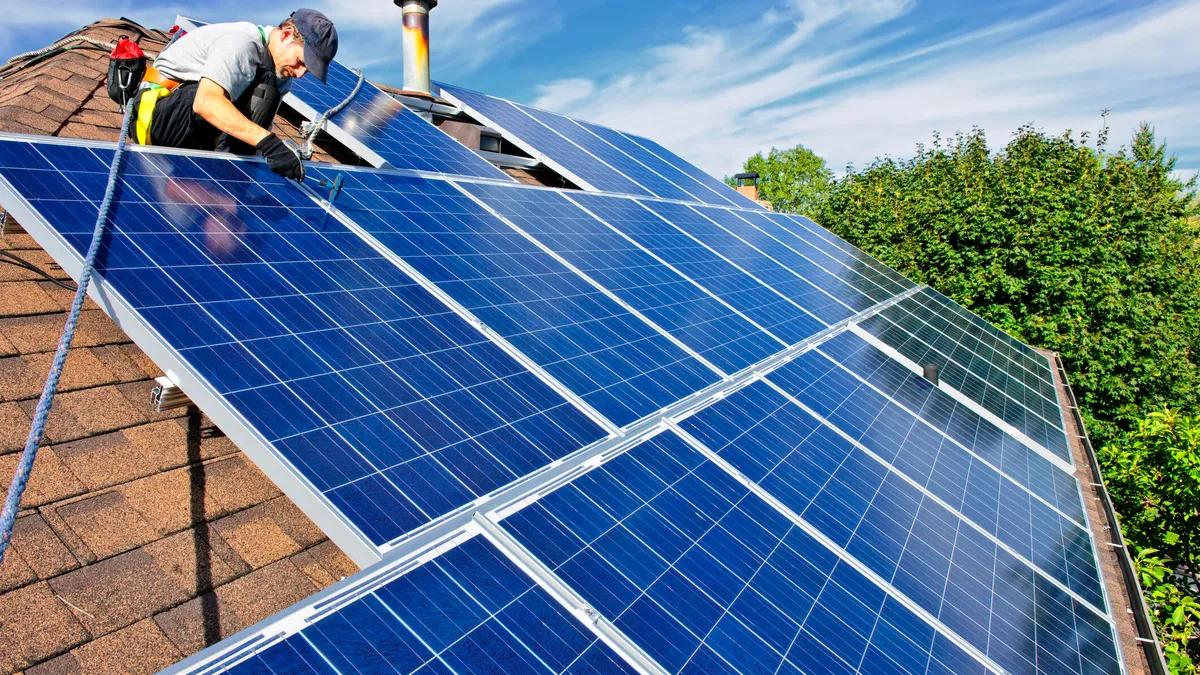
As we approach 2024, the benefits of installing solar panels are becoming increasingly clear. With advancements in technology, increased environmental awareness, and more accessible funding options, solar power is no longer just an eco-friendly choice but a smart financial investment. This article explores the myriad benefits of installing solar panels in 2024, accompanied by answers to some frequently asked questions.
1. Reduced Energy Bills
One of the most immediate benefits of installing solar panels is the significant reduction in energy bills. Solar power systems capture energy from the sun, converting it into electricity for your home. This means you can substantially cut down or even potentially eliminate your electricity costs depending on the size of your system and your energy usage.
2. Increased Property Value
Homes with solar power systems have been found to increase in value. Buyers are increasingly looking for homes that offer sustainable solutions and lower operating costs. Installing solar panels can make your property more attractive to potential buyers, should you decide to sell in the future.
3. Protection Against Rising Energy Prices
The cost of electricity from traditional sources is subject to fluctuations depending on market conditions and changes in resource availability. Solar panels protect you from unpredictable increases in utility prices by securing your energy rates and reducing your reliance on the grid.
4. Environmental Impact
Solar energy is a clean, renewable resource that reduces your carbon footprint. By choosing solar, you are directly contributing to the reduction of greenhouse gas emissions and pollution, thus helping combat climate change and reduce reliance on fossil fuel-based power generation.
5. Energy Independence
By generating your own electricity, you become less dependent on external sources and the national grid. This can be particularly advantageous during power outages or in areas where grid reliability is a concern.
6. Government Incentives
Many governments offer incentives for solar panel installation, such as grants, tax benefits, or feed-in tariffs where you can sell excess power back to the grid. These incentives can significantly reduce the initial installation cost and improve the return on investment.
7. Technological Advancements
The efficiency of solar panels continues to improve, while costs are decreasing. Innovations in photovoltaic technology mean that modern solar panels can generate more power than ever before, even in less than ideal lighting conditions.
8. Low Maintenance Costs
Solar power systems are generally low maintenance. Once installed, they require little more than basic cleaning and periodic checks to ensure they function properly. Most solar panels come with long warranties, typically up to 25 years.
9. Job Creation
The solar industry is a growing field that creates jobs across various sectors, from manufacturing and installation to maintenance and research and development. Investing in solar energy supports the local economy and contributes to job creation.
10. Advancing Toward a Sustainable Future
Investing in solar energy is a step towards a sustainable future. It’s not only about saving money or increasing property value; it’s about making a long-term investment in the health of our planet.
FAQ’s:
Q: How much does it cost to install solar panels? A: The cost can vary widely based on the size of the system, location, and additional features like battery storage. However, prices have been decreasing, and with government incentives, the overall cost is more affordable than ever.
Q: How long will it take to recoup my investment? A: The payback period can vary but typically ranges from 5 to 10 years, depending on local energy costs, solar panel system performance, and applicable incentives.
Q: Do solar panels work on cloudy days? A: Yes, solar panels can still generate electricity on cloudy days, though their output will be lower than on sunny days.
Q: What happens if there is a power outage? A: If your solar system includes battery storage, you can continue using stored solar power during an outage. Without a battery, the system will automatically shut down to prevent back-feeding energy to the grid and ensure safety.
Q: Do I still need to be connected to the power grid? A: Most home solar systems are grid-tied, meaning they’re still connected to the grid. This allows for the use of grid power if your system isn’t producing enough energy, and vice versa, you can feed excess energy back to the grid.
Installing solar panels in 2024 offers a host of benefits, from financial savings to environmental impacts and beyond. As technology advances and the world moves towards more sustainable energy solutions, solar power remains a top choice for those looking to make a positive impact on both their wallets and the planet.


